The Complete Peptide Guide
The Complete Peptide & Compound Reference: FDA-Approved vs. Grey-Market
A comprehensive two-section reference listing every known peptide and compound on the market — FDA-approved with dosing, and grey-market with risks and legal status — plus the compounds currently under active FDA enforcement and Eli Lilly lawsuit scrutiny.
Educational & research use only. Not medical advice — we do not sell or promote any compounds. Read the full disclaimer.
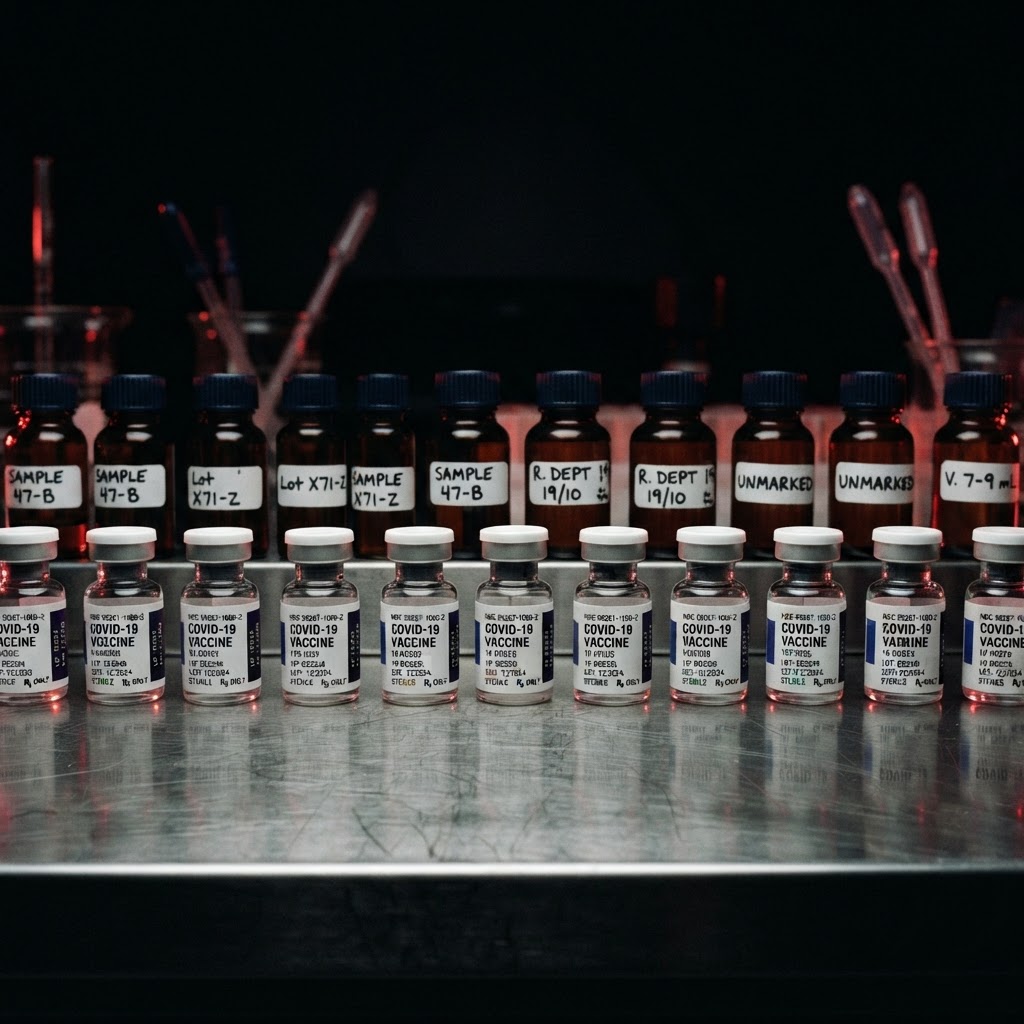
The Complete Peptide & Compound Reference
A living document cataloguing every known peptide and injectable compound currently on the market — what the FDA has approved, what it has not, and which ones are now in the crosshairs of federal enforcement and pharmaceutical lawsuits.
Educational purposes only. This reference is compiled from publicly available FDA records, peer-reviewed literature, manufacturer prescribing information, and court filings. BioMaxFit does not sell, promote, or recommend any peptide, compound, or company. It is not medical advice. Always consult a qualified healthcare provider before beginning, changing, or stopping any medication or protocol.
Section 1: FDA-Approved Peptides & Compounds
These compounds have completed the full FDA approval process — preclinical testing, Phase 1–3 clinical trials, New Drug Application review, and post-market surveillance. They are manufactured under cGMP, dispensed by licensed pharmacies, and prescribed by licensed providers.
GLP-1 & Multi-Agonist Receptor Agonists
Semaglutide
- Brand names: Ozempic (diabetes), Wegovy (weight loss), Rybelsus (oral tablet)
- Manufacturer: Novo Nordisk
- FDA approval: Ozempic — December 2017; Wegovy — June 2021; Rybelsus — September 2019
- Approved indication: Type 2 diabetes (Ozempic, Rybelsus); chronic weight management in adults with obesity or overweight with comorbidities (Wegovy)
- Approved dosing: Subcutaneous injection starting at 0.25 mg weekly, titrated over 16 weeks to a maintenance dose of 1.0 mg (Ozempic) or 2.4 mg (Wegovy). Oral: 3 mg, 7 mg, or 14 mg daily. Full dosing guide →
- Note: Carries an FDA boxed warning for thyroid C-cell tumors. The most-prescribed GLP-1 in the United States.
Tirzepatide
- Brand names: Mounjaro (diabetes), Zepbound (weight loss)
- Manufacturer: Eli Lilly
- FDA approval: Mounjaro — May 2022; Zepbound — November 2023
- Approved indication: Type 2 diabetes (Mounjaro); chronic weight management (Zepbound)
- Approved dosing: Subcutaneous injection starting at 2.5 mg weekly for 4 weeks, titrated in 2.5 mg increments to a maximum of 15 mg weekly. Full dosing guide →
- Note: Dual GIP/GLP-1 agonist — the first approved drug in this class. Currently the subject of compounding enforcement actions.
Liraglutide
- Brand names: Victoza (diabetes), Saxenda (weight loss)
- Manufacturer: Novo Nordisk
- FDA approval: Victoza — January 2010; Saxenda — December 2014
- Approved indication: Type 2 diabetes (Victoza); chronic weight management (Saxenda)
- Approved dosing: Subcutaneous injection starting at 0.6 mg daily, titrated over 5 weeks to 1.8 mg (Victoza) or 3.0 mg (Saxenda).
- Note: First-generation daily GLP-1; largely replaced by weekly semaglutide and tirzepatide but remains approved and prescribed.
Dulaglutide
- Brand name: Trulicity
- Manufacturer: Eli Lilly
- FDA approval: September 2014
- Approved indication: Type 2 diabetes
- Approved dosing: Subcutaneous injection of 0.75 mg or 1.5 mg weekly. A higher dose of 3.0 mg and 4.5 mg weekly was subsequently approved for additional glycemic control.
- Note: Weekly GLP-1 with a pre-filled pen delivery system; also approved for cardiovascular risk reduction in type 2 diabetes.
Exenatide
- Brand names: Byetta (twice-daily), Bydureon BCise (weekly)
- Manufacturer: AstraZeneca
- FDA approval: Byetta — April 2005; Bydureon — January 2012 (BCise formulation approved 2017)
- Approved indication: Type 2 diabetes
- Approved dosing: Byetta — 5 mcg subcutaneously twice daily, may increase to 10 mcg twice daily. Bydureon BCise — 2 mg once weekly.
- Note: The first GLP-1 receptor agonist approved in the United States, derived from the saliva of the Gila monster lizard.
Lixisenatide
- Brand name: Adlyxin
- Manufacturer: Sanofi
- FDA approval: July 2016
- Approved indication: Type 2 diabetes
- Approved dosing: Subcutaneous injection starting at 10 mcg once daily for 14 days, then 20 mcg once daily.
- Note: A daily GLP-1 with a shorter half-life; less commonly prescribed than weekly options.
Other Approved Peptides & Peptide-Related Compounds
Bremelanotide
- Brand name: Vyleesi
- Manufacturer: AMAG Pharmaceuticals
- FDA approval: June 2019
- Approved indication: Acquired, generalized hypoactive sexual desire disorder (HSDD) in premenopausal women
- Approved dosing: 1.75 mg subcutaneous autoinjector, administered as needed approximately 45 minutes before anticipated sexual activity. Maximum one dose per 24 hours and no more than 8 doses per month.
- Note: A melanocortin receptor agonist — unrelated to GLP-1 drugs.
Tesamorelin
- Brand name: Egrifta
- Manufacturer: Theratechnologies
- FDA approval: November 2010
- Approved indication: Treatment of excess visceral abdominal fat in HIV patients with lipodystrophy
- Approved dosing: 2 mg subcutaneously once daily.
- Note: A growth hormone-releasing hormone (GHRH) analog — the only approved GHRH-based compound. Its use outside the HIV lipodystrophy indication is off-label.
Pramlintide
- Brand name: Symlin
- Manufacturer: AstraZeneca
- FDA approval: March 2005
- Approved indication: Type 1 and type 2 diabetes as adjunct to mealtime insulin
- Approved dosing: Subcutaneous injection: Type 1 — start at 15 mcg before meals, titrate to 30–60 mcg; Type 2 — start at 60 mcg, titrate to 120 mcg.
- Note: An amylin analog. Commercially discontinued in the US but remains an FDA-approved compound.
Octreotide
- Brand names: Sandostatin (immediate release), Sandostatin LAR (long-acting)
- Manufacturer: Novartis
- FDA approval: October 1988 (IR); November 1998 (LAR)
- Approved indication: Acromegaly, carcinoid tumors, VIPomas, and other neuroendocrine tumors; also used for severe diarrhea and variceal bleeding
- Approved dosing: IR — 50–100 mcg subcutaneously 1–3 times daily. LAR — 10–30 mg intramuscularly every 4 weeks.
- Note: A somatostatin analog — one of the oldest approved peptide drugs.
Lanreotide
- Brand name: Somatuline Depot
- Manufacturer: Ipsen
- FDA approval: August 2007
- Approved indication: Gastroenteropancreatic neuroendocrine tumors and acromegaly
- Approved dosing: 60, 90, or 120 mg deep subcutaneous injection every 4 weeks.
- Note: Second somatostatin analog; long-acting formulation.
Pasireotide
- Brand name: Signifor
- Manufacturer: Recordati
- FDA approval: December 2012
- Approved indication: Cushing's disease and acromegaly
- Approved dosing: 0.6 mg or 0.9 mg subcutaneously twice daily for Cushing's; 40 mg or 60 mg intramuscularly monthly for acromegaly.
- Note: A newer somatostatin analog with broader receptor affinity.
Teriparatide
- Brand names: Forteo, Tymlos (abaloparatide — a related PTH analog)
- Manufacturer: Eli Lilly (Forteo); Radius Health (Tymlos)
- FDA approval: Forteo — November 2002; Tymlos — April 2017
- Approved indication: Osteoporosis in patients at high risk for fracture
- Approved dosing: 20 mcg subcutaneously once daily (Forteo); 80 mcg subcutaneously once daily (Tymlos). Maximum 2 years of use due to osteosarcoma risk in animal studies.
- Note: A parathyroid hormone (PTH) analog — an anabolic bone-building agent, not an antiresorptive.
Calcitonin
- Brand names: Miacalcin, Fortical
- FDA approval: 1975 (injectable); 1995 (nasal)
- Approved indication: Postmenopausal osteoporosis, Paget's disease, hypercalcemia
- Approved dosing: 100 IU subcutaneously or intramuscularly every other day; 200 IU intranasally once daily.
- Note: A thyroid peptide hormone; largely replaced by bisphosphonates and PTH analogs for osteoporosis.
Vasopressin & Desmopressin
- Brand names: Pitressin (vasopressin), DDAVP (desmopressin)
- FDA approval: Vasopressin — 1952; Desmopressin — 1978
- Approved indication: Diabetes insipidus, von Willebrand disease, nocturia (desmopressin); vasodilatory shock and GI bleeding (vasopressin)
- Approved dosing: Desmopressin — 0.1–0.4 mcg subcutaneously or intranasally; vasopressin — 1–4 units/hour IV for shock.
- Note: Synthetic antidiuretic hormone analogs.
Oxytocin
- Brand name: Pitocin
- Manufacturer: JHP Pharmaceuticals
- FDA approval: 1980
- Approved indication: Induction and augmentation of labor; postpartum hemorrhage
- Approved dosing: 1–2 mU/min IV infusion for labor induction, titrated as needed.
- Note: A neuropeptide used exclusively in obstetric settings.
Gonadotropin-Releasing Hormone (GnRH) Agonists & Antagonists
- Approved compounds: Leuprolide (Lupron), Goserelin (Zoladex), Triptorelin (Trelstar), Histrelin (Supprelin), Nafarelin (Synarel), Buserelin, Degarelix (Firmagon), Ganirelix, Cetrorelix
- Approved indications: Prostate cancer, endometriosis, uterine fibroids, central precocious puberty, IVF protocols
- Approved dosing: Varies by compound — typically monthly or quarterly depot injections (leuprolide 7.5–22.5 mg monthly; goserelin 3.6–10.8 mg monthly). Full guide →
- Note: A large class of approved GnRH analogs used in oncology and reproductive medicine.
Insulin (peptide hormone)
- Approved compounds: Human insulin, Lispro (Humalog), Aspart (Novolog), Glulisine (Apidra), Glargine (Lantus/Basaglar), Detemir (Levemir), Degludec (Tresiba)
- Approved indication: Diabetes mellitus
- Approved dosing: Individualized by blood glucose targets — typically 0.5–1.0 units/kg/day in divided doses.
- Note: The most widely prescribed peptide drug in the world; all formulations are FDA-approved biologics.
Section 2: Grey-Market & Non-Approved Compounds
These compounds are sold to consumers without FDA approval for human use. They are marketed as "research chemicals," "for research purposes only — not for human consumption," or through med-spas and wellness clinics operating outside the regulatory framework. None have completed FDA approval for the uses advertised. No established human dosing exists unless noted.
Triple Agonists & Investigational GLP-1s
Retatrutide (LY3437943)
- Status: Investigational — Phase 3 clinical trials ongoing (TRIUMPH program). Not approved anywhere in the world.
- Manufacturer: Eli Lilly (patent holder)
- Known risks: Unknown purity and contamination in grey-market supply; dosing inaccuracy measured in micrograms; severe nausea, vomiting, dehydration, pancreatitis, and metabolic disturbances from overdose.
- Legal context: Illegal to sell under the FDCA. Eli Lilly has filed 6 federal lawsuits against named sellers and referred 200+ entities to law enforcement. Read the full investigation →
- Dosing: No established human dosing. Clinical trial dosing is tightly controlled and titrated.
- Note: The most aggressively enforced grey-market compound as of 2026.
Cagrilintide
- Status: Investigational — long-acting amylin analog in Phase 3 trials (combined with semaglutide as CagriSema). Not approved.
- Manufacturer: Novo Nordisk
- Known risks: Same grey-market supply risks as retatrutide — unknown purity, contamination, dosing inaccuracy.
- Legal context: Novo Nordisk holds patents; unauthorized sale violates the FDCA.
- Dosing: No established human dosing. Full guide →
- Note: An investigational compound gaining grey-market attention as the "next generation" weight loss drug.
Growth Hormone Secretagogues & Releasing Hormones
CJC-1295 (with DAC)
- Status: Never approved by the FDA for any indication.
- Known risks: Water retention, insulin resistance, potential GH/IGF-1 elevation beyond physiological range.
- Legal context: Sold as "research chemical" — illegal for human use under FDCA.
- Dosing: No established human dosing. Full guide →
- Note: A GHRH analog with an extended half-life due to drug affinity complex (DAC) modification.
CJC-1295 (without DAC)
- Status: Never approved by the FDA.
- Known risks: Similar to CJC-1295 with DAC; shorter half-life requiring more frequent dosing.
- Legal context: Sold as "research chemical."
- Dosing: No established human dosing. Full guide →
- Note: Often stacked with ipamorelin in community protocols — unvalidated.
Ipamorelin
- Status: Never approved by the FDA.
- Known risks: Headache, flushing, water retention. Theoretical GH elevation risk.
- Legal context: Sold as "research chemical."
- Dosing: No established human dosing. Full guide →
- Note: A GHRP (growth hormone releasing peptide) — selective GH secretagogue.
Sermorelin
- Status: Previously FDA-approved (1997) for pediatric growth hormone deficiency; brand name discontinued. The molecule itself is no longer an FDA-approved drug.
- Known risks: Injection site reactions, flushing, headache.
- Legal context: Compounded versions circulate; the original brand (Geref) was discontinued. Compounding sermorelin falls into a regulatory gray area.
- Dosing: The previously approved pediatric dose was 0.03 mg/kg subcutaneously at bedtime. No current approved adult dosing.
- Note: Sometimes prescribed off-label by anti-aging clinics through compounding pharmacies.
GHRP-2 and GHRP-6
- Status: Never approved by the FDA.
- Known risks: Cortisol and prolactin elevation, hunger stimulation, water retention.
- Legal context: Sold as "research chemicals." FDA reclassification (April 2026) kept these on the restricted Category 2 list.
- Dosing: No established human dosing. Full guide →
- Note: Ghrelin mimetics — remain restricted under FDA compounding rules.
Healing & Recovery Peptides
BPC-157
- Status: Never approved by the FDA.
- Known risks: FDA identified potential immunogenicity risks and peptide impurity concerns. No human safety data exists for any route of administration.
- Legal context: FDA issued warning letters to sellers (2025). Reclassified off the restricted Category 2 list in April 2026, but this does NOT constitute approval — it means compounding pharmacies may nominate it for 503A/503B evaluation.
- Dosing: No established human dosing. Full guide →
- Note: The most popular grey-market healing peptide despite zero human clinical trial data.
TB-500 / Thymosin Beta-4
- Status: Never approved by the FDA.
- Known risks: Unknown safety profile in humans; theoretical immune modulation effects.
- Legal context: Sold as "research chemical." Reclassified off Category 2 in April 2026.
- Dosing: No established human dosing. Full guide →
- Note: A synthetic version of thymosin beta-4, promoted for injury recovery.
Thymosin Alpha-1
- Status: Never approved by the FDA.
- Known risks: Limited human safety data; theoretical immune effects.
- Legal context: Sold as "research chemical." Reclassified off Category 2 in April 2026.
- Dosing: No established human dosing.
- Note: Studied in hepatitis and immune disorders; never reached approval.
Melanocortins
Melanotan II (MT-II)
- Status: Never approved by the FDA.
- Known risks: Nausea, skin darkening, spontaneous erections, new-onset nevi and melanoma concerns. Multiple FDA warnings.
- Legal context: FDA has issued multiple warning letters. Remains on the restricted Category 2 list (April 2026 reclassification).
- Dosing: No established human dosing.
- Note: The most dangerous grey-market melanocortin — linked to skin cancer concerns.
PT-141 / Bremelanotide (grey-market)
- Status: The FDA-approved version (Vyleesi) is legal when prescribed. Grey-market PT-141 sold as a research chemical is NOT the approved formulation and is illegal.
- Known risks: Blood pressure elevation, nausea, flushing.
- Legal context: Selling PT-141 as a research chemical for human use is illegal under the FDCA.
- Dosing: The approved Vyleesi dose is 1.75 mg as needed. Grey-market PT-141 has no validated dosing.
- Note: The approved injectable formulation (Vyleesi) and the grey-market version are chemically related but legally and qualitatively different products.
Fat Loss & Metabolic Peptides
AOD-9604
- Status: Never approved by the FDA. Australian company Metabolic Pharmaceuticals discontinued development after Phase 2 trials showed limited efficacy.
- Known risks: Limited human data; no serious adverse effects documented in trials but long-term safety unknown.
- Legal context: Sold as "research chemical."
- Dosing: No established human dosing. Full guide →
- Note: A fragment of the growth hormone molecule (amino acids 177–191) — promoted for fat loss.
Tesofensine
- Status: Never approved by the FDA. A triple monoamine reuptake inhibitor (not a peptide) that reached Phase 3 for obesity but was discontinued due to safety concerns.
- Known risks: Blood pressure elevation, heart rate increase, psychiatric effects.
- Legal context: Sold as "research chemical" — illegal for human use.
- Dosing: No established human dosing. Full guide →
- Note: A small molecule, not a peptide, but commonly grouped with grey-market weight loss compounds.
5-Amino-1MQ
- Status: Never approved by the FDA.
- Known risks: No human safety data; theoretical NAD+ pathway interactions.
- Legal context: Sold as "research chemical."
- Dosing: No established human dosing. Full guide →
- Note: An NQO1 inhibitor studied in preclinical models for fat loss and metabolic function.
Longevity, Cognitive & Other Grey-Market Compounds
Never approved, no established human dosing: Epitalon, MOTS-c, SS-31/Elamipretide, Klotho, Semax, Cerebrolysin, GHK-Cu, AHK-Cu, Follistatin 344, AICAR, NAD+ (injectable), ARA-290, LL-37, PEG-MGF. Detailed guides linked from the Peptide Reference library. LL-37 and PEG-MGF remain on the FDA restricted Category 2 list (April 2026).
Section 3: Active Enforcement & Lawsuits
Eli Lilly (Aug 2026): 6 federal lawsuits vs. retatrutide sellers; 200+ entities referred to law enforcement; 14,000+ listings flagged. Full investigation →
FDA (2025–2026): 50+ warning letters for compounded GLP-1s; Import Alert 66-80 blocking suspect APIs; April 2026 reclassification removed 12 peptides from Category 2 (BPC-157, TB-500, etc.) — still not approved. 44 state injunctions against compounded semaglutide sellers.
Last updated: September 2026.